
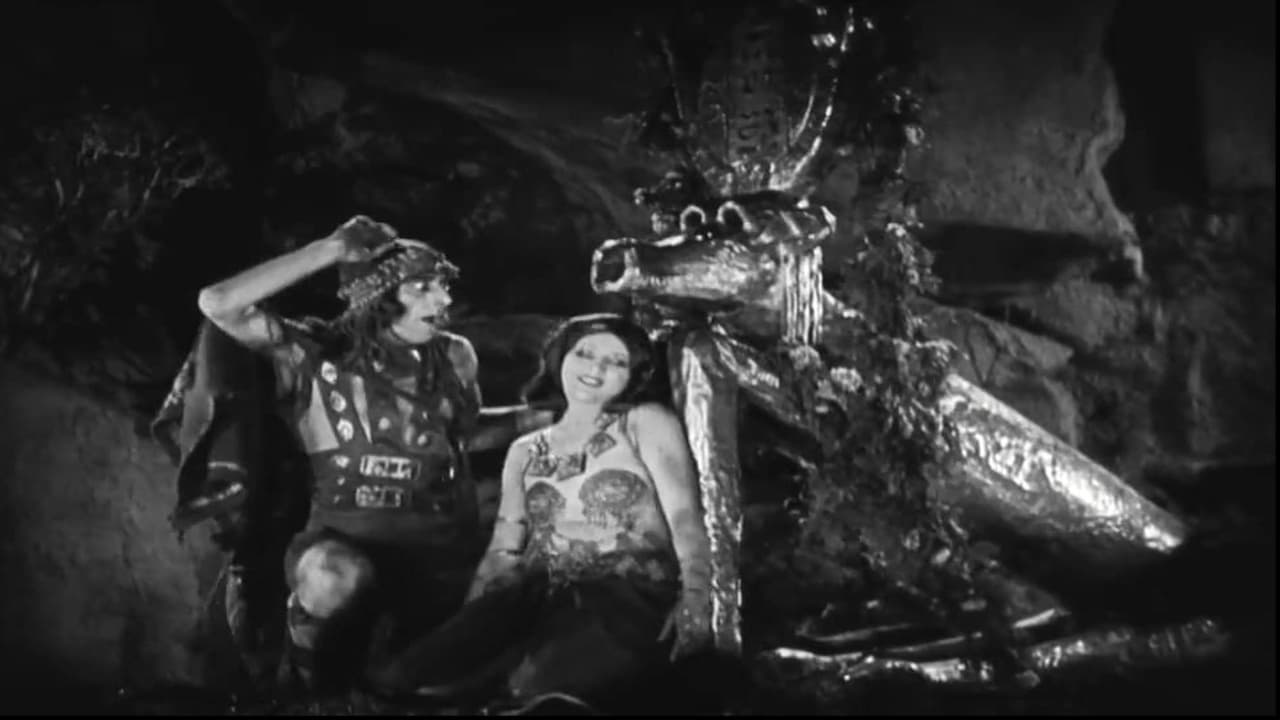
The Incredible Secret of Hollywood's First Blockbuster: When an Egyptian City Was Buried in California
In 1923, Cecil B. DeMille's The Ten Commandments led to the creation of a massive Egyptian city in the California desert, which was later mysteriously buried.
The history of cinema is filled with legendary productions, but few match the mystery of the pharaoh city buried under Californian sand dunes. In 1923, director Cecil B. DeMille laid the groundwork for spectacle cinema with the original version of The Ten Commandments, establishing the modern concept of the blockbuster.
Extravagance in the Desert
To bring ancient Egypt to life, the production moved away from traditional studios to Guadalupe-Nipomo. There, thousands of artisans and extras erected a monumental set featuring colossal gates and twenty-one Art Deco plaster sphinxes, each weighing over a hundred kilos. This titanic construction illustrated DeMille's ambition to rival grand historical frescoes.
A Tomb of Sand and History
Once filming wrapped, logistics and financial pressures led the production to abandon and dynamite the site to prevent rivals from plundering it. Covered by Pacific winds, these remains weathered the decades before archaeologists began meticulous excavations in 2012. Despite the site's complexity, teams successfully unearthed unique pieces, bearing witness to an era when Hollywood wrote its wildest myths.
The Remnants of Legendary Shoots
This practice of abandoning monumental sets is not isolated in the film industry. Other iconic productions have left behind memorable physical traces around the world, from distant planetary landscapes in Tunisia to tropical coastal sets.