
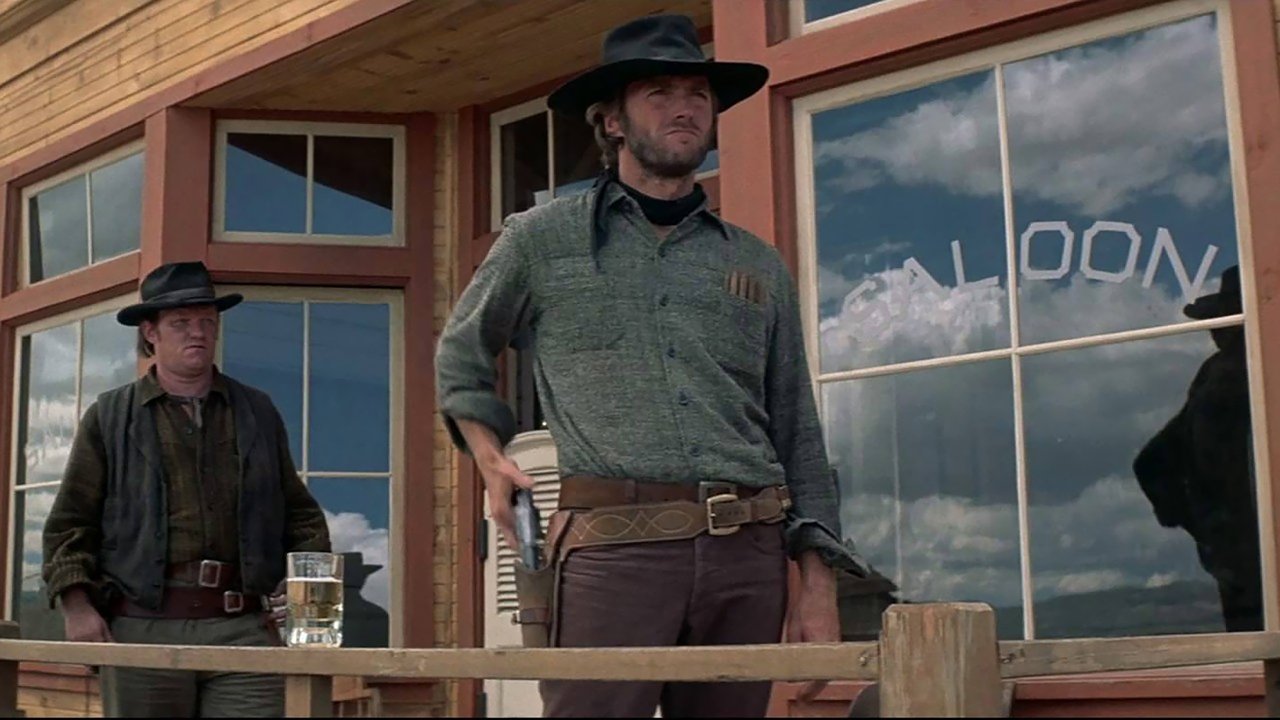
When Clint Eastwood debunked Hollywood myths: the ultimate cinema lesson
A rare 1970s archive reveals Clint Eastwood's insightful take on the star system, Hollywood crises, and the supremacy of the screenplay.
At a time when the film industry constantly questions its survival against technological shifts, looking back proves that Hollywood's anxieties are far from new. A resurfaced archive interview featuring the legendary Clint Eastwood from the early 1970s highlights his lucid analysis of the movie business, dismissing apocalyptic predictions about the death of the big screen with characteristic calm.
The superstar trap and the power of narrative
When questioned about Hollywood's obsession with bankable names, Eastwood delivered an uncompromising truth. While famous actors certainly help secure initial funding for a project, they cannot salvage a weak script. In his view, a compelling story and an emotional connection with the audience are the true cornerstones of success. This pragmatic approach later defined his entire directorial career through his Malpaso production company.
Cycles of crisis and rebirth
Eastwood noted during the interview that the film industry thrives on cycles, pointing to massive historical hits like The Sound of Music to demonstrate how unexpected blockbusters regularly revitalize the box office. Although the archive has occasionally been misattributed to 1981, its true early-70s context aligns with a severe financial crisis for major studios following costly musical flops. Ironically, this very upheaval paved the way for the New Hollywood movement, empowering a new generation of visionary auteurs.