
Robert Redford on Remakes: Why Certain Masterpieces Must Remain Untouchable
Looking back at Robert Redford's firm stance on remaking his iconic films like The Candidate, Butch Cassidy and the Sundance Kid, and The Way We Were.
Hollywood loves remakes, but certain cinematic legends have always firmly opposed revisiting their greatest successes. This was notably the case for Robert Redford, who shared sharp insights on the subject during his career.
When Hollywood Recycles Its Myths
The American film industry has constantly sought to recreate past successes. Whether through live-action adaptations of animated classics, modern takes on sci-fi milestones, or new versions of legendary dramas, the remake machine never stops. Yet, tackling films deeply rooted in cinematic history carries a major artistic risk: losing the very essence of what made them powerful in the first place.
Interviewed years ago, Robert Redford expressed a clear-cut opinion when rumors surfaced about a potential remake of The Candidate, the 1972 political drama directed by Michael Ritchie. In this movie, which he co-produced, the actor played an idealistic lawyer embarking on a high-stakes political campaign. His conclusion was definitive: the story worked brilliantly for its era, but there was simply nothing new left to tell.
Timeless Masterpieces Tied to Their Era
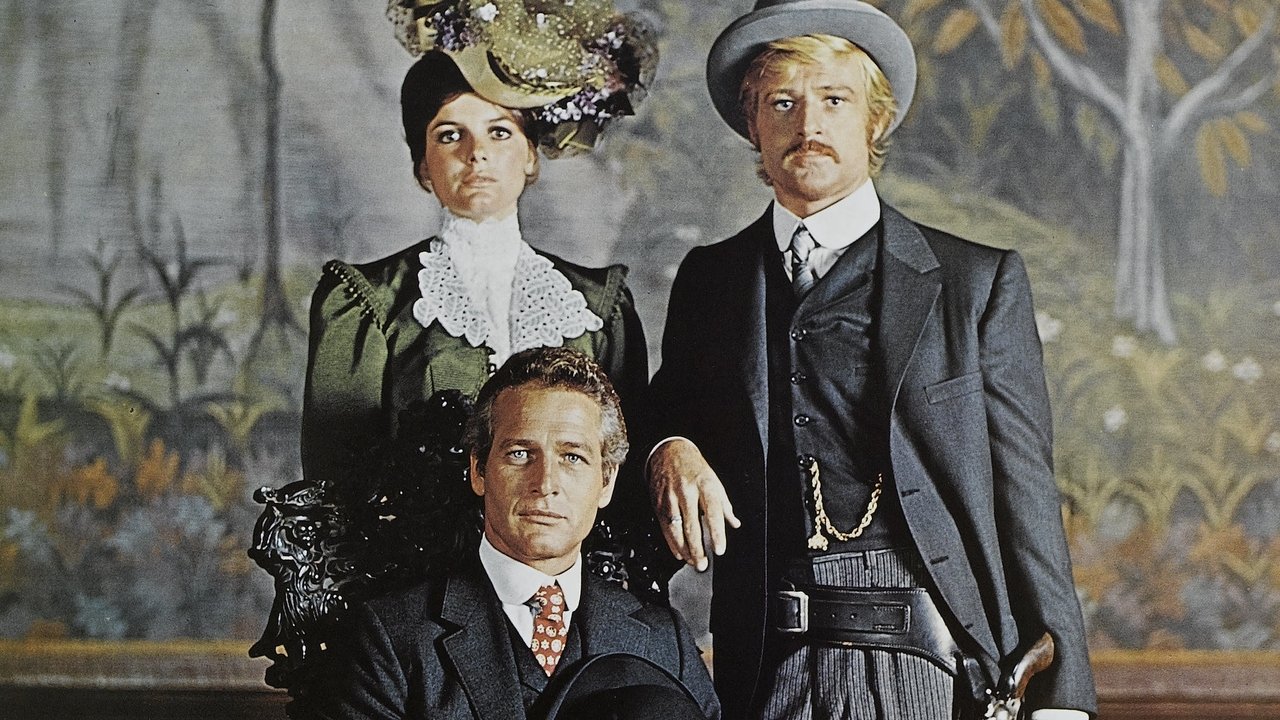
The actor believed that several other major films in his filmography should simply be left alone. Among them is George Roy Hill's Western Butch Cassidy and the Sundance Kid, where he starred alongside Paul Newman as the iconic duo of outlaws. Another untouchable masterpiece in his eyes was Sydney Pollack's The Way We Were, a magnificent romantic drama shared with Barbra Streisand, chronicling the complex romance between two opposites.
For such cinema monuments, cultural and historical context plays a vital role. Trying to modernize or remake these works often means ignoring the unique magic of their original creation—a demanding perspective that reminds us why certain classics remain forever out of reach.