
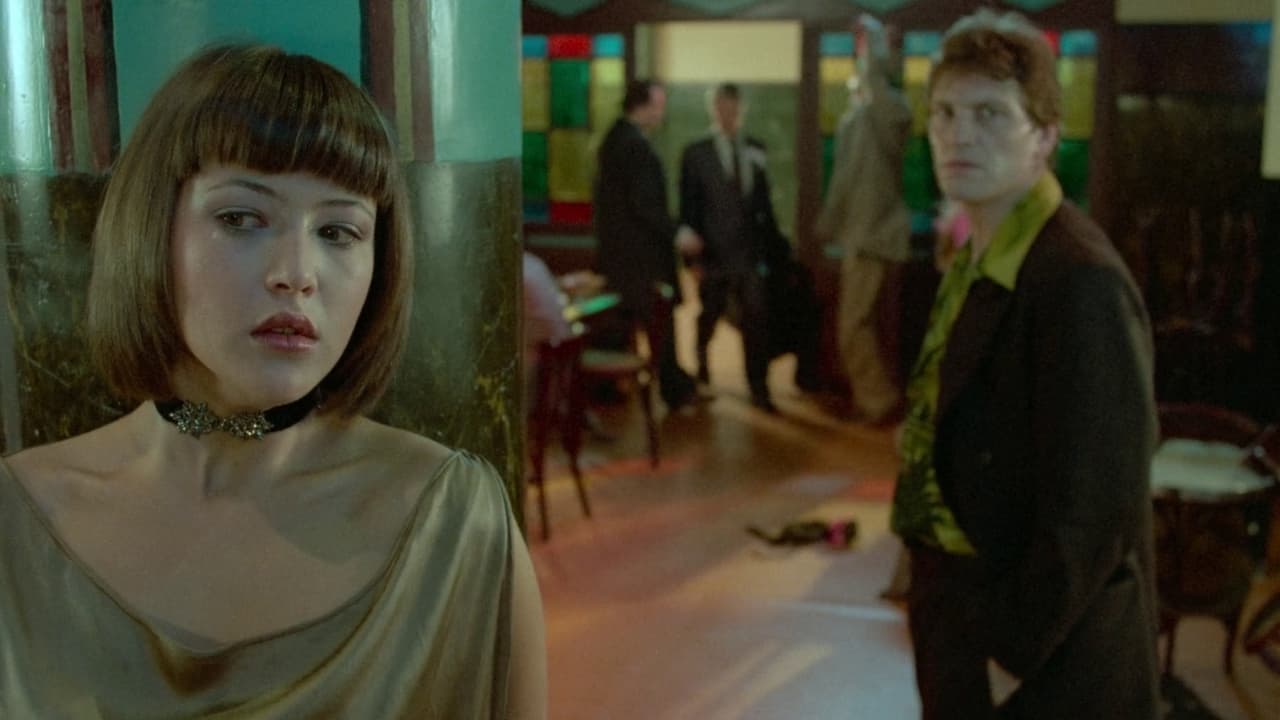
Sophie Marceau: Her Stunning Memories of Communist Poland with Andrzej Żuławski
In her autobiographical account Warszawa, Sophie Marceau opens up about her seventeen years spent alongside Andrzej Żuławski and her chilling discovery of Warsaw under the communist regime.
Some cinematic destinies shift far away from the Parisian spotlight. Revealed to the general public in the early 1980s, Sophie Marceau saw her life take a radical turn when she crossed paths with filmmaker Andrzej Żuławski. In an autobiographical book titled Warszawa, the French actress looks back on this extraordinary romance that led her, at the age of twenty, to settle in a Poland then under the communist yoke. A seventeen-year chapter that profoundly shaped the woman and artist she became today.
A visual and political shock in the heart of Eastern Europe
Far from postcards and festival glamour, discovering the Polish capital in the mid-1980s proved to be a genuine sensory ordeal. Describing a city she portrays as dark, dreary, and flat, the actress recalls the total absence of colors and light in a metropolis cut off from the world by the Iron Curtain. Yet, behind this oppressive grayness, it was the resilience of a people that ultimately captivated the young woman. Confronted with suffering and a sense of European abandonment, the daily resistance of the inhabitants against the regime transformed her perspective on that historical era.
Building and deconstructing through cinema
Beyond the geopolitical context, this intense relationship with a director twenty-six years her senior fueled a striking filmography. Together, the couple collaborated on four demanding feature films, including L'Amour braque and La Fidélité. Clear-eyed about the influence such an artistic personality could exert, Sophie Marceau acknowledged needing this guiding figure to structure and liberate herself. A foundational page in her life that demonstrates once again how great intimate and collective upheavals shape the greatest journeys in cinema.